Press release
Stakeholders Call for Gender-Responsive Climate Action to Strengthen Climate Resilience in Gilgit-Baltistan
DTC PRN · 7 November 2026
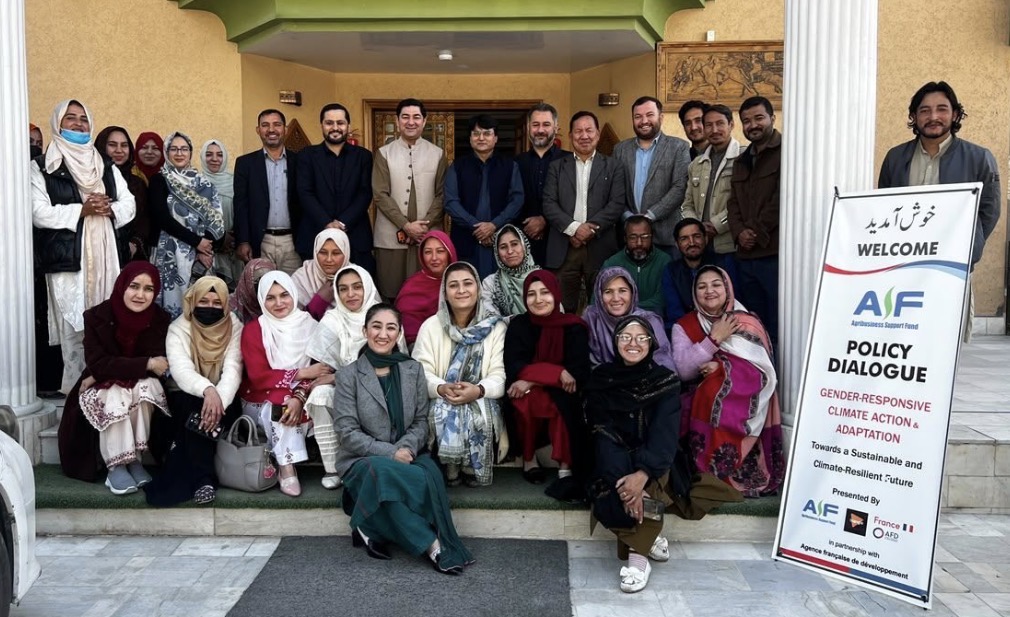
Skardu, November 7, 2026: A high-level policy dialogue on “Gender-Responsive Climate Action for a Climate-Resilient Gilgit-Baltistan” brought together government representatives, women farmers, community leaders and development stakeholders in Skardu to discuss strategies for strengthening climate resilience and promoting gender-inclusive agricultural development in the region.
The dialogue was organized by the Agribusiness Support Fund (ASF) under the GROW–Pak Project, funded by the French Development Agency (AFD) and implemented by Triangle Génération Humanitaire (TGH).
The event provided a platform for stakeholders to examine the challenges faced by rural communities, particularly women farmers, in adapting to climate change. Discussions emphasized the importance of integrating women’s perspectives, needs and experiences into agricultural policies, climate adaptation strategies and local development planning.
Participants highlighted that women play a vital role in agricultural production, household food security and rural livelihoods. However, limited access to agricultural resources, technical assistance, markets and decision-making opportunities can restrict their ability to respond effectively to climate-related challenges.
The dialogue underscored the need for gender-responsive agricultural planning and budgeting, ensuring that climate adaptation initiatives address the specific challenges faced by women farmers and create equitable opportunities for their participation.
Stakeholders also emphasized improving women’s access to quality seeds, agricultural inputs, technical guidance and climate-smart farming practices to enhance productivity, strengthen livelihoods and build resilience against changing environmental conditions.
Another key area of discussion was the importance of strengthening women-led cooperatives and producer groups through improved market access, product branding and digital marketing opportunities. Participants recognized that greater economic participation by women could contribute to more resilient agricultural value chains and sustainable rural development.
The dialogue further highlighted the need to strengthen disaster preparedness, promote locally appropriate climate adaptation practices and ensure that women are meaningfully represented in community-level planning and decision-making processes.
Participants called for stronger collaboration among government institutions, development organizations, agricultural service providers and local communities to translate policy recommendations into practical measures that support women farmers and climate-vulnerable households.
The discussions reinforced the importance of recognizing women not only as communities affected by climate change but also as essential contributors to locally driven climate adaptation and sustainable agricultural development.
The policy dialogue highlighted the value of inclusive partnerships and coordinated action in advancing a more climate-resilient, economically inclusive and sustainable future for Gilgit-Baltistan.
About the Initiative
The GROW–Pak Project supports efforts to strengthen resilience and inclusive development, with a focus on improving opportunities for communities facing climate-related and socioeconomic challenges.